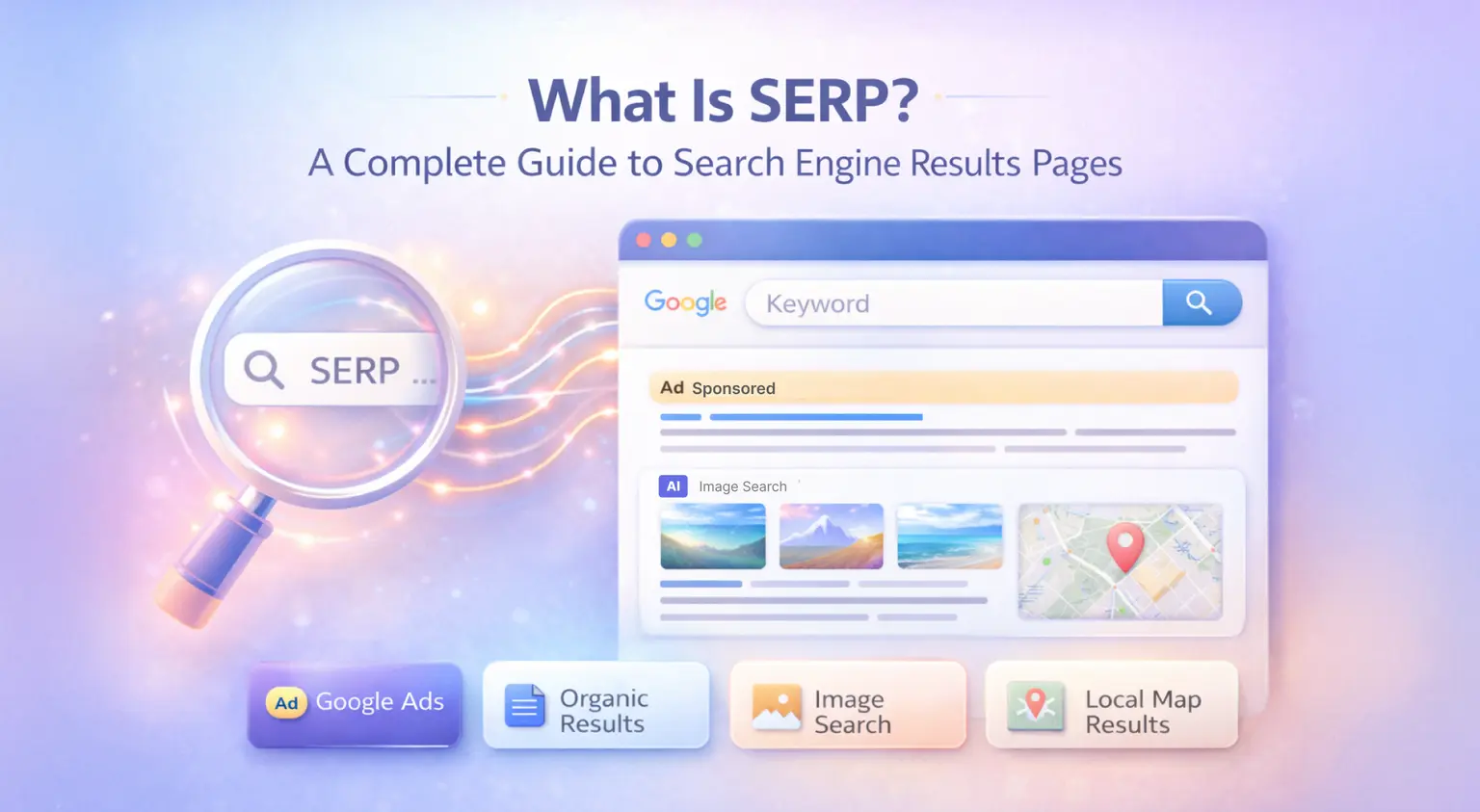
SERP: A Complete Guide to Search Engine Results Pages
When you search for something online, you see a page filled with answers. This page is called a SERP, or Search Engine Results Page. It shows results that match your search query. These results can include websites, images, videos, maps, news, products, and direct answers. Understanding the search results page can help website owners improve their SEO strategy. It can also help beginners understand why some pages appear above others. Search engines study many signals before showing results. They also change the layout based on the search intent. For example, a local search may show a map pack. A question may show a featured answer. A shopping search may show product listings. This guide explains the topic in simple words. You will learn the main parts, ranking factors, useful terms, and practical optimization ideas.
What Is SERP?
The term SERP stands for Search Engine Results Page. It is the page displayed after someone enters a query into a search engine. The page may contain many different result types. Traditional organic listings are only one part of the modern search experience. You may also see advertisements, images, videos, maps, questions, and other features. The exact layout depends on the search query and user intent. Search engines try to provide the most useful information quickly. Therefore, two different searches can produce very different result pages. For website owners, studying these pages is important. It helps reveal what searchers expect from a query. It also shows which content formats perform well. A strong SEO plan should focus on satisfying the searcher first. Rankings usually become more useful when your content solves the user’s real problem.
How Does SERP Work?
A SERP is created after a search engine processes a user’s query. First, the system tries to understand what the person wants. It then finds relevant pages from its search index. Ranking systems evaluate many signals to decide which results deserve visibility. Relevance is a major part of this process. Content quality, usefulness, page experience, and context can also matter. Search engines may display different features based on the query. For instance, a search for a nearby restaurant can trigger local results. A question about a famous person may show an information panel. A product search can display shopping results. The page is therefore more than a simple list of links. It is a dynamic answer screen designed around search intent. Understanding this process helps marketers create content that better matches user needs.
Organic Search Results
Organic listings are unpaid results shown because a search engine considers them relevant. These results often include a title, URL, and description. Some listings may also contain extra information called search enhancements. Organic visibility is a major goal for many SEO campaigns. However, reaching the top requires more than repeating a keyword. Search engines want useful pages that clearly answer the searcher’s question. Good content should have a logical structure and provide real value. It should also be easy to read and navigate. Website owners should focus on topics instead of isolated keyword repetition. Strong internal links can also help users discover related information. Regular content updates may improve usefulness when information changes. Organic traffic can be valuable because it reaches people actively searching for information. Still, rankings can change as search systems and user behavior evolve.
Paid Search Advertisements
Paid advertisements can appear above or below organic results. Businesses usually pay when users interact with their advertising campaigns. These placements are separate from organic rankings. Advertisers choose keywords, audiences, budgets, and other campaign settings. Ad visibility can depend on several factors. These may include bid information, relevance, landing page quality, and competition. Paid search can provide quick visibility for suitable queries. However, it should not be confused with earning an organic position. A business can use both SEO and paid advertising together. SEO can build long-term visibility through useful content. Advertising can support campaigns that need faster exposure. The best approach depends on the business, audience, budget, and goals. Marketers should measure results instead of assuming that more clicks always mean better performance.
Featured Snippets
Featured snippets are prominent answer boxes that may appear near the top of search results. They can provide short answers, lists, tables, or other content formats. Search engines choose these answers automatically. There is no simple guarantee that a page will receive one. Clear formatting can make content easier for search systems to understand. Helpful headings, concise answers, definitions, and organized lists can support this goal. However, content should never be written only to chase a special search feature. The main purpose should remain helping readers. If your page gives a direct and useful answer, it may have stronger chances of gaining visibility. Featured results can attract attention because they appear in a highly visible area. Their appearance can also change depending on the query, device, location, and search system.
People Also Ask
The People Also Ask section contains related questions that users commonly explore. It can appear within many search result pages. These questions can provide useful clues about search intent. Content creators can study them to understand what readers want to know next. For example, a topic may have basic, comparison, pricing, and practical questions. Covering these related concerns can make an article more complete. However, writers should avoid adding irrelevant questions just for SEO. Every section should have a clear purpose. Answer questions naturally and use simple language. This approach can improve the overall reading experience. It may also help search engines understand the subject and its related concepts. When planning an article, related questions can therefore become useful research points.
Local Search Results
Local searches often produce location-based results. These results can include maps, business listings, addresses, hours, reviews, and other details. A person searching for a service near them has a different intent from someone researching a broad topic. Local SEO focuses on serving that local intent. Businesses should keep important information accurate and consistent. Their website should clearly explain their services and service areas. Useful location pages can also help when they provide genuine information. Reviews may influence how users evaluate local businesses. Clear contact details can build trust as well. Local visibility is especially important for businesses that serve customers in specific areas. The key lesson is simple. Create useful information for the people who can actually visit, call, or buy from the business.
Image and Video Results
Visual searches can include image packs, video listings, and other media features. These results are useful when people want to learn visually. Tutorials, recipes, product demonstrations, and how-to topics often benefit from visual content. Website owners should use meaningful titles and descriptions for their media. Images should also have useful alternative text when appropriate. Videos should provide real value instead of simply repeating written content. A clear thumbnail can help users understand what the video offers. Fast loading also matters for a good experience. Visual content should support the main topic rather than distract from it. When creating content, think about how users prefer to consume information. Some questions are easier to answer with text. Others become much clearer through screenshots, diagrams, photos, or demonstrations.
Search Intent and SERP
Search intent means the reason behind a user’s search. It is one of the most important ideas in modern SEO. Common intent types include informational, navigational, commercial, and transactional searches. Someone searching for “what is SERP” likely wants an explanation. Someone searching for a specific website has a navigational goal. A person comparing different products may have commercial intent. A user searching for a product to purchase has transactional intent. The results shown by search engines often reveal the dominant intent. Therefore, studying the current results can guide your content strategy. If most results are detailed guides, a short sales page may not match expectations. If product pages dominate, a general article may struggle. Matching intent helps create content that feels useful and natural.
Important Ranking Factors
Search rankings depend on many signals, and no single factor guarantees a top position. Relevant content is essential because users need accurate answers. Helpful information can also encourage people to stay and explore a website. Website structure matters because clear navigation makes content easier to discover. Page experience can affect how comfortably users interact with a site. Mobile-friendly design is important because many searches happen on phones. Fast pages can also provide a better experience. Links from other websites may help search engines discover and evaluate content. However, links should come from genuine relationships and useful references. Technical SEO also matters because search engines need to crawl and understand pages. The best strategy combines technical health with excellent content. Avoid shortcuts that promise instant rankings. Sustainable SEO focuses on users, quality, relevance, and trust.
Why SERP Features Matter for SEO
Modern search pages contain many features beyond traditional blue links. These features can change how users interact with search results. A page may appear in an image result, video result, local listing, or answer feature. Each opportunity can require a different content format. This is why SEO should not focus only on one ranking position. Marketers should examine the entire search landscape. Look at the questions shown, content types ranking, and features appearing. Then build content that fits the searcher’s needs. Structured information can also make important details easier to understand. Clear headings help both readers and search systems. Strong content should answer the main question early. It should then provide supporting details for users who want more information. This creates a better experience while supporting broader search visibility.
How to Track SERP Performance
Tracking search performance helps you understand whether your SEO work is producing useful results. Start by monitoring important queries and landing pages. Look at impressions, clicks, click-through rates, and average positions. Do not judge success using rankings alone. A page can rank well but attract few visitors if the result does not match intent. Likewise, a lower-ranked page can generate strong traffic for a valuable query. Compare performance over time instead of reacting to daily changes. Search results naturally move as competition and search systems change. Study pages that gain visibility and identify what they do well. Then improve your own content where it genuinely helps readers. Keep records of important updates to your pages. This makes it easier to understand which improvements produced useful results.
Common SERP Mistakes to Avoid
One common mistake is focusing too heavily on keyword repetition. Search engines are designed to understand topics and meaning. Repeating the same phrase can make writing feel unnatural. Another mistake is creating content without understanding intent. A page can be well written yet still fail to satisfy the query. Some websites also ignore mobile users and page speed. Poor navigation can make useful content harder to access. Thin pages are another problem when they provide little original value. Businesses should also avoid misleading titles and descriptions. These may attract clicks but can disappoint visitors. Finally, do not copy competitors and simply change a few words. Original insights, examples, clear explanations, and useful organization can make your content stronger. Good SEO begins with helping people rather than trying to manipulate rankings.
Practical Tips for Better SEO Visibility
Improving search visibility starts with understanding your audience. Find the questions people ask before choosing target topics. Study the search results and identify the content formats users prefer. Create pages that answer important questions clearly and completely. Use descriptive headings so readers can scan the article easily. Add relevant internal links to helpful related pages. Keep page titles accurate and attractive without making false promises. Write descriptions that explain what users will gain from visiting. Optimize images and other media for performance and accessibility. Review older content when facts, products, or recommendations change. Measure performance with reliable analytics and search data. Most importantly, build a site people want to use again. Consistent quality can create stronger trust than short-term SEO tricks.
The Future of Search Results
Search continues to become more interactive and answer-focused. Users can now encounter many formats during one search journey. Traditional listings remain important, but search experiences can also include summaries, visual content, local information, products, and other features. This means content creators need to think beyond simple rankings. Clear information, original experience, and trustworthy explanations remain valuable. Websites should make their content easy for both people and technology to understand. They should also provide information that adds something meaningful to the topic. Businesses can prepare by focusing on strong fundamentals. These include useful content, technical quality, accurate information, and a positive user experience. Search will continue changing, but the central goal remains similar. People want reliable answers with less effort. Websites that consistently meet that need can remain valuable as search evolves.
Frequently Asked Questions About SERP
What does SERP stand for?
SERP means Search Engine Results Page. It is the page shown after you enter a query into a search engine. It can contain organic listings, advertisements, images, videos, local results, questions, and other search features. The exact layout changes according to the query and user intent. Understanding this page helps SEO beginners see how search visibility works. It also helps marketers study competitors and content opportunities. Instead of looking only at the first blue link, examine the complete results page. This gives a broader view of what users expect from that search.
Why is SERP important for SEO?
The SERP shows what search engines believe users want. It can reveal the dominant search intent and content formats. SEO professionals study results to find opportunities for useful content. They may also identify common questions, competing pages, and special search features. This research can guide page structure and content planning. However, ranking should not become the only goal. A successful page should provide real value after the visitor clicks. Good SEO connects search visibility with a strong user experience.
What is an organic result?
An organic result is a non-paid search listing. Search engines select these results based on their ranking systems. Organic listings commonly show a page title, URL, and description. Some can also receive additional search enhancements. Website owners generally improve organic visibility through useful content and sound SEO practices. Unlike advertisements, organic results are not purchased through a pay-per-click campaign. Building organic visibility can take time. It usually requires consistent work and ongoing improvements.
What is search intent?
Search intent describes the reason behind a user’s query. The user may want information, visit a specific website, compare choices, or complete a purchase. Understanding intent helps you create the right type of page. For example, an informational query usually needs an educational answer. A transactional query may need a product or service page. Matching intent makes your content more useful. It can also help your page compete more effectively for relevant searches.
How can I improve my website’s SERP visibility?
Start by creating original content that answers real user questions. Research the search intent before choosing a content format. Improve page titles, headings, internal links, and important on-page information. Make your website mobile-friendly and easy to navigate. Keep important information accurate and updated. Build trustworthy references naturally when other sites genuinely find your content useful. Then monitor search performance and improve pages based on real data. Avoid tactics that make content difficult or unpleasant to read.
Does a higher SERP position always mean more traffic?
No, a higher position does not always guarantee more useful traffic. Search intent, query popularity, competition, and result features can affect clicks. A page can rank well for a low-value query and receive little traffic. Another page may rank lower but attract visitors with strong buying intent. Titles and descriptions can also influence whether people click. Therefore, evaluate rankings alongside impressions, clicks, engagement, and conversions. The best SEO result is not always the highest number. It is the visibility that brings the right audience to useful content.
Conclusion
Understanding SERP is an important step for anyone learning SEO. Search results are no longer limited to simple website links. They can include many formats based on the user’s needs. By studying search intent, content types, rankings, and search features, you can create better pages. Focus on clear answers, original information, strong website structure, and a good user experience. Avoid keyword stuffing and outdated SEO shortcuts. Instead, make every page useful to the people who visit it. Track your results and improve your content over time. Search systems will continue to change, but helpful content will always have value. If you are building an SEO strategy, start by studying the results for your most important topics. Then create something genuinely better, clearer, and more useful for your audience.